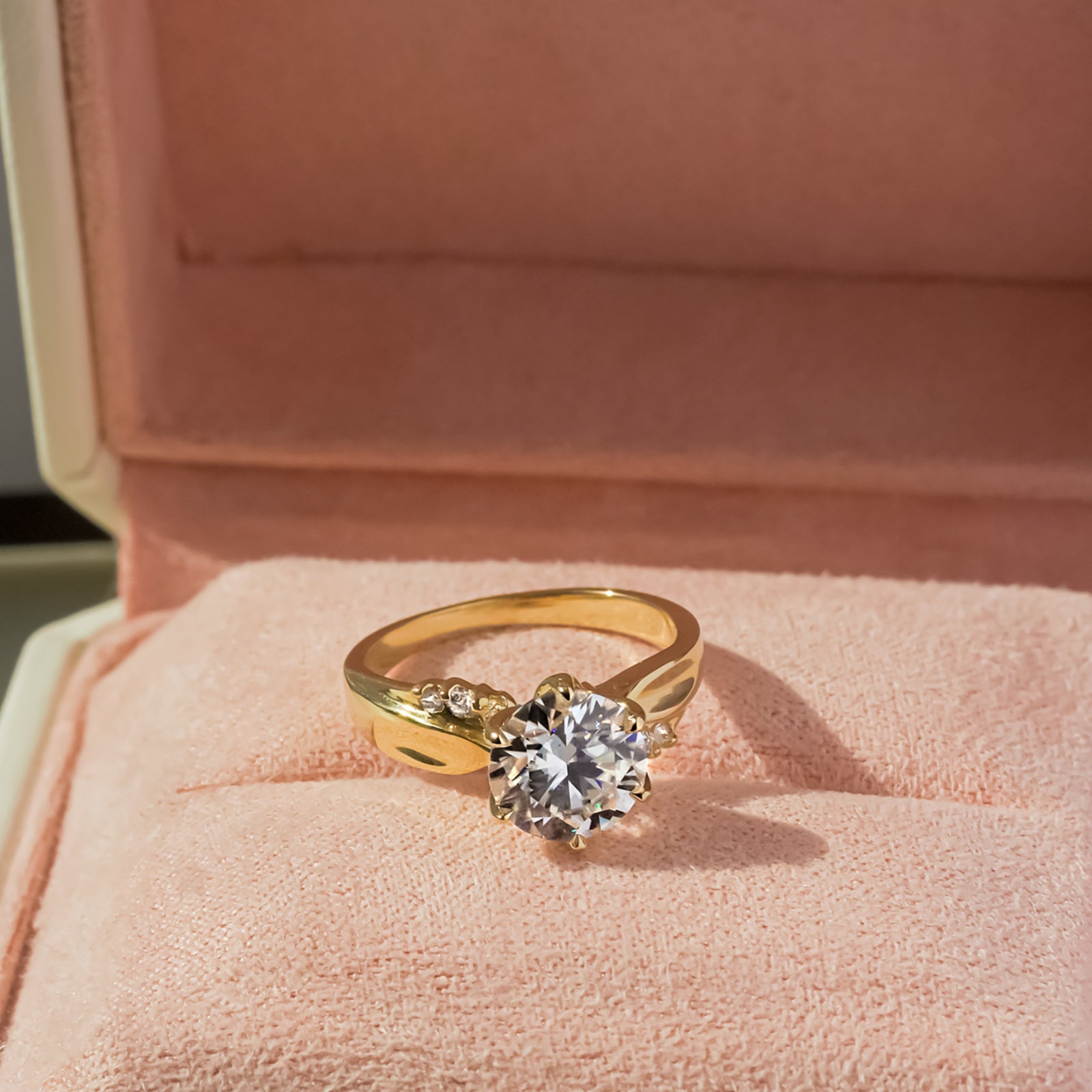

Lab-Grown vs Mined vs Moissanite: What’s the Difference (and Which Should You Choose)?
Choosing a center stone is one of those decisions that feels both exciting and overwhelming—because it’s not just about sparkle. It’s about what fits your style, your values, and your budget.
At Kobelli, we’ve helped hundreds of thousands of customers celebrate life’s biggest moments, and we’ve learned something simple: there isn’t one “best” option—there’s the best option for you.
In this guide, I’ll break down lab-grown diamonds vs mined diamonds vs moissanite in plain English, with a clear bottom-line recommendation at the end.
Quick answer (if you’re in a hurry)
- Choose a lab-grown diamond if you want a real diamond (same carbon structure as mined) with a more accessible price and an ethical, modern origin.
- Choose a mined diamond if you strongly prefer a natural-origin stone and you’re comfortable paying more for rarity and tradition.
- Choose moissanite if you want maximum sparkle and size-for-budget—and you love a brighter, “rainbow fire” look.
Ready to start browsing? Shop Kobelli Grown engagement rings.
First—are lab-grown diamonds “real” diamonds?
Yes. A lab-grown diamond is pure carbon with the same physical, chemical, and optical properties as a mined diamond. The difference is origin:
- Mined diamonds form underground over time
- Lab-grown diamonds are grown in a controlled environment
If what you want is “a diamond,” lab-grown is still a diamond.
Lab-Grown vs Mined vs Moissanite (side-by-side comparison)
Appearance (sparkle + “fire”)
- Mined diamond: classic diamond sparkle; balanced brilliance
- Lab-grown diamond: same as mined (it’s the same material)
- Moissanite: typically more fiery with more rainbow flashes, especially in certain lighting
If you love a brighter, rainbow-forward sparkle, you can explore moissanite styles here: moissanite engagement rings.
Durability (daily wear)
- Diamonds (mined or lab-grown): hardness 10 on the Mohs scale
- Moissanite: hardness around 9.25 (still excellent for everyday wear)
Bottom line: all three are durable enough for daily wear when set properly.
Price (what you get for your budget)
- Mined diamond: highest cost
- Lab-grown diamond: typically 30–60% more affordable than mined for similar specs
- Moissanite: often the most budget-friendly option for larger looks
Why lab-grown costs less: it’s not “lower quality”—it’s a different supply chain and origin.
Certification and grading
- Mined diamonds: commonly graded by cut, color, clarity, carat
- Lab-grown diamonds: also graded the same way, often with IGI or GIA reports depending on the stone
- Moissanite: not graded the same way as diamonds; quality is typically described by brand/specs rather than diamond grading reports
How to choose (based on what you care about most)
If you want the most traditional choice
Pick a mined diamond—especially if natural origin is the emotional priority.
If you want “real diamond” + better value
Pick a lab-grown diamond—same diamond properties, more accessible price.
If you want the biggest look for your budget
Pick moissanite—larger visuals and intense sparkle for less.
FAQ
Are lab-grown diamonds worth it?
If you want a diamond and you care about value, yes—lab-grown is one of the strongest value plays in fine jewelry right now.
Can anyone tell lab-grown from mined?
Not by looking. They’re visually the same material; the difference is origin.
Does moissanite look fake?
Not “fake”—it’s simply different. Some people love the extra rainbow fire; others prefer the more classic diamond look.
A quick note on ring size
If you’re also figuring out sizing, start with our ring size chart: international ring size conversion chart.
Bottom line
If you want the classic diamond look without the mined price tag, lab-grown is the sweet spot. If you want the most sparkle and size for your budget, moissanite is a beautiful choice. If natural origin is the priority, mined may be worth the premium.
Next step: Shop Kobelli Grown engagement rings.
For more helpful guides, visit our Resources page.